

If you’ve ever tried baking bread at home and thought, “Why does this look nothing like bakery bread?” you’re not alone. Most people blame the recipe. Or the flour. Or the oven.
But more often than not, the real problem is proofing.
Bread proofing sounds simple. Let the dough sit. Wait. Bake. Done.
Except that’s not how it works. Proofing is where bread actually becomes bread. Skip it, rush it, or mess it up, and the rest barely matters.
This is where understanding the science behind bread proofing changes everything. Especially if you’re using a bread making kit or thinking about getting a bread proofer to make things easier (and more consistent).
Let’s break it down without making it sound like a chemistry lecture.
What Bread Proofing Really Is (Not Just Waiting Around)
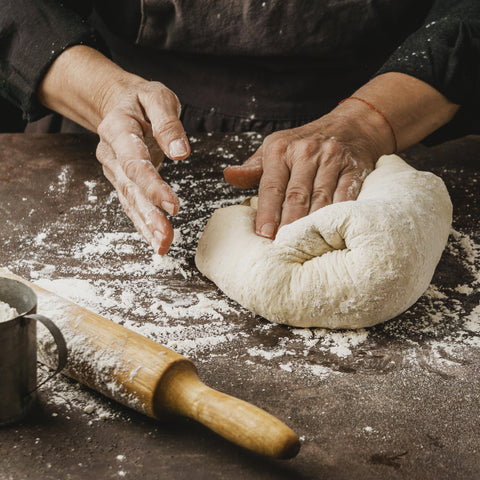
Proofing is the stage where yeast does its job. You’ve mixed flour, water, yeast, maybe salt, and sugar. That dough looks dead at first. But it’s not.
Yeast feeds on sugars in the dough and releases carbon dioxide gas. That gas gets trapped inside the gluten network, forming tiny air pockets. Over time, those pockets expand, and the dough rises.
That’s proofing.
But it’s not just about size. Proofing affects:
-
Texture
-
Flavor
-
Crumb structure
-
How well the bread bakes
-
Whether it collapses or holds its shape
So yeah, it matters more than people think.
The Science Part (Without Making Your Head Hurt)
The basic explanation pertaining to this during proofing is as follows:
-
Yeast metabolism: Yeast consumes sugar and produces gas.
-
Development of gluten: Gluten expands and entraps such gas.
-
The activity of enzymes: Enzymes break down starch, giving yeast more time to grow.
-
Flavor building: Acids and alcohols from fermentation provide flavor.
It all depends on time, temperature, and humidity. Change one, change the outcome. Good things sometimes. Sometimes not.
Thus, skilled bakers obsess with proofing. Why do cold or dry kitchens cause problems for amateur bakers?
Why Temperature Can Make or Break Your Bread
Yeast is picky. Too cold, and it moves slowly. Too hot, and it dies.
The sweet spot for proofing dough is usually between 75°F and 85°F (24°C–29°C). That range allows yeast to stay active without overworking itself.
Now think about a normal home kitchen.
In winter, it might be 65°F or less. In summer, maybe it’s hot but dry. Either way, it’s inconsistent.
This is where a bread proofer quietly becomes one of the most useful tools you can own. It keeps the temperature stable, which means your dough behaves predictably instead of guessing every time.
If you’re using a bread making kit, especially one designed for beginners, a controlled proofing environment can be the difference between “meh” bread and wow, I made this?”
This is exactly why Abioto Baking designs tools that support proper fermentation, not just mixing and baking. Bread isn’t rushed. And it shouldn’t be guessed either.
Humidity: The Part Everyone Forgets
Temperature gets all the attention, but humidity matters just as much.
When dough proofing happens in dry air, the surface can dry out. That creates a skin. That skin restricts expansion and leads to dense bread or weird tearing.
Proper humidity keeps the dough elastic and allows it to rise evenly.
A quality bread proofer manages both heat and moisture. That’s something a warm oven with the light on just doesn’t do well, no matter how many blog hacks say otherwise.
Under-Proofed vs Over-Proofed Dough
This is where things usually go wrong.
Under-Proofed Dough:
-
Feels tight and dense
-
Springs back too quickly when pressed
-
Bakes into heavy bread with a tight crumb
Over-Proofed Dough:
-
Collapses easily
-
Feels weak and sticky
-
Bakes flat with poor oven spring
There’s a narrow window where the dough is just right. That window is easier to hit when the proofing conditions are stable. Again, consistency matters more than skill at first.
Why Proofing Affects Flavor More Than You Think
Longer, slower proofing equals more flavor. Period.
As yeast ferments, it produces organic acids and alcohols. These compounds create depth. That slightly tangy, rich taste people associate with “artisan bread” comes from fermentation, not fancy flour.
When proofing is rushed because the kitchen is cold or too hot, flavor suffers. Bread tastes flat. Edible, sure. But boring.
Using a bread-making kit paired with proper proofing control helps you stretch fermentation time without ruining the structure. That’s when homemade bread starts tasting as it should.
At Abioto Baking, the goal isn’t shortcuts. It’s repeatable results. When proofing is dialed in, baking stops being frustrating and starts being addictive.
How a Bread Proofer Simplifies the Entire Process
Let’s be honest. Most people don’t fail at bread because they’re bad cooks. They fail because conditions aren’t predictable.
A bread proofer removes the guesswork by:
-
Maintaining ideal yeast temperature
-
Preventing surface drying
-
Supporting longer fermentation
-
Improving rise consistency
If you bake occasionally, you can still get by without one. But if you’re serious or using a bread making kit regularly, a proofer pays for itself in saved ingredients and sanity.
Bread Making Kits and Proofing: Why They Work Better Together
A good bread making kit gives you structure. Measured tools. Clear steps. Sometimes, even pre-portioned ingredients.
But no kit can control your kitchen environment.
That’s why pairing a bread kit with proper proofing conditions makes everything smoother. Dough behaves the way instructions expect it to. Rise times make sense. The results look closer to the photos.
It’s not cheating. It’s just setting yourself up to win.
Common Proofing Myths That Need to Die
“Warmer is always better.”
No. Too warm kills yeast and ruins flavor.
“More yeast means faster proofing.”
It also means worse taste and uneven crumb.
“If it doubles, it’s ready.”
Not always. Structure matters more than size.
“I can just eyeball it.”
Maybe. But consistency comes from control, not guessing.
Final Thoughts:
Mixing is mechanical. Baking is heat. Proofing is life.
If your bread feels unpredictable, dense, or disappointing, don’t start changing recipes. Look at proofing first. Temperature. Time. Humidity.
Whether you’re just starting with a bread making kit or upgrading your setup with a bread proofer, understanding this stage changes everything.
And once it clicks, you’ll wonder why nobody explained it sooner.
If you’re ready to stop guessing and start baking bread that actually turns out the way it should, explore the thoughtfully designed tools from Abioto Baking.
Visit us and take control of your bread proofing process today.
FAQs
1. What is the main purpose of bread proofing?
Bread proofing allows yeast to ferment, produce gas, and build structure and flavor in the dough. Without proper proofing, bread will be dense and bland.
2. Do I really need a bread proofer at home?
Not required, but highly helpful. A bread proofer creates stable conditions that make results consistent, especially if your kitchen temperature changes often.
3. Can a bread making kit improve proofing results?
Yes, indirectly. A bread-making kit is more precise and organized, and is suitable for use with the right conditions of proofing.
4. What is the duration of the bread dough proofing?
It is reliant on the recipe, the amount of yeast, and the temperature. The time of proofing may be between an hour and overnight for slow fermentation.
5. Why does my bread fail to rise after proofing?
That normally refers to over-proofing. This destabilizes the gluten frame and is unable to sustain the gas generated by yeast.
Comments (0)
There are no comments for this article. Be the first one to leave a message!